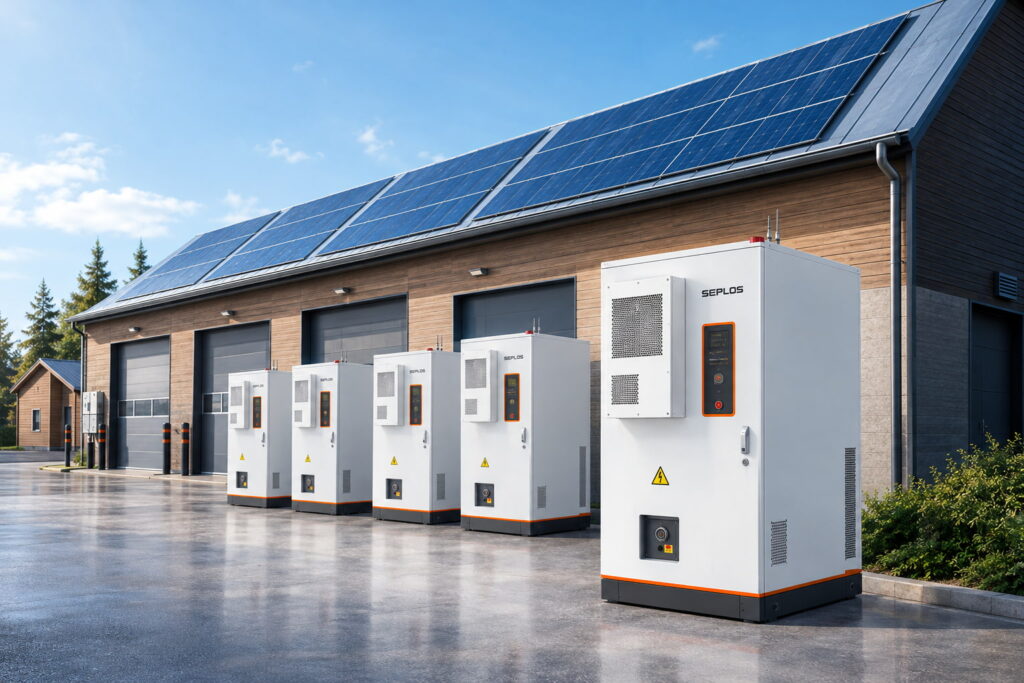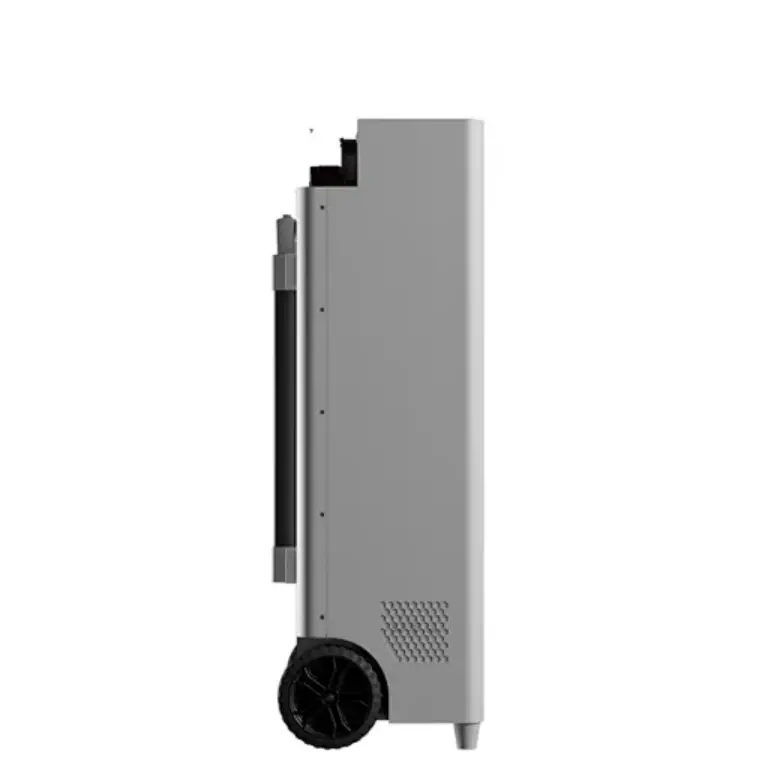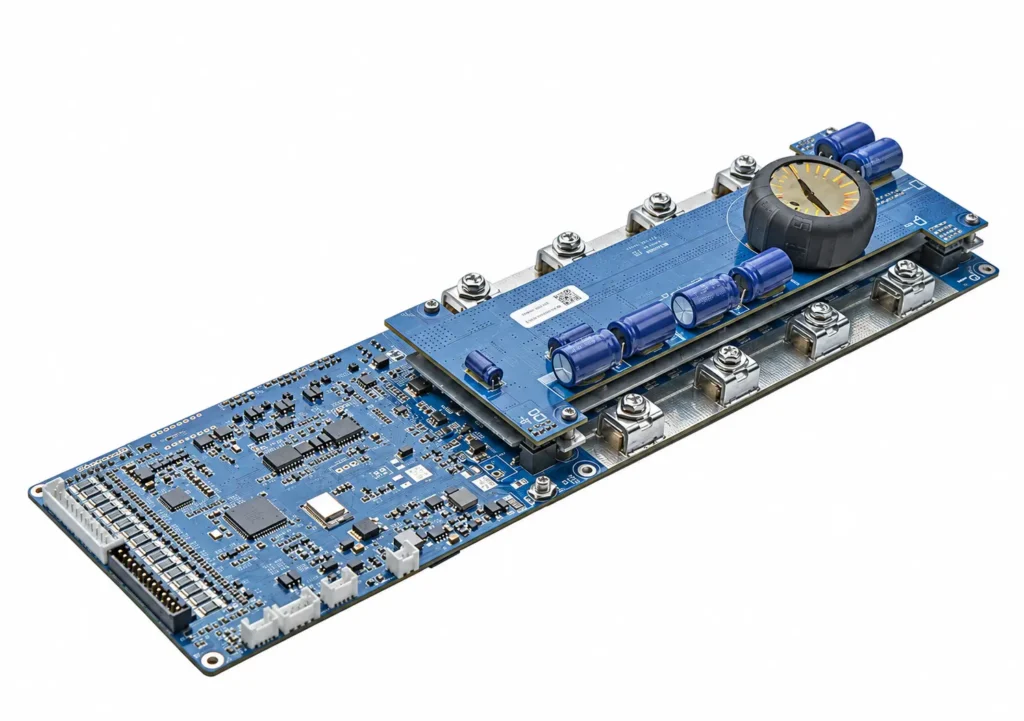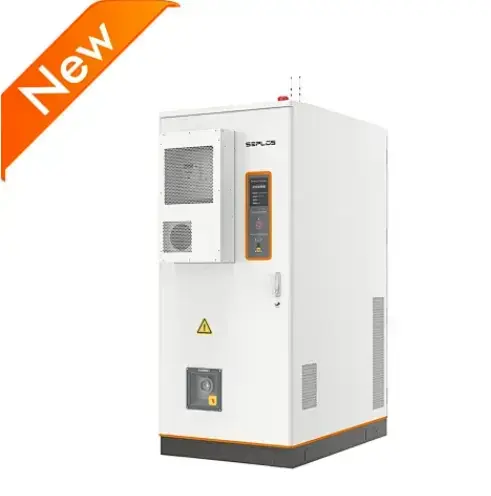
Stepping into the landscape of energy solutions, the concept of hybrid systems emerges as a powerful force. As Seplos, a leading battery energy storage system manufacturer, we’ve witnessed the transformative potential of these integrated approaches firsthand. But what exactly is a hybrid energy storage system, and why are we so excited about their future? Simply put, a hybrid system strategically combines two or more distinct energy storage technologies.
In practical applications, battery energy storage systems are integrated with other technologies through coordinated energy management, allowing different components to work together for improved efficiency, stability, and flexibility.
This allows us to capitalize on the unique strengths of each technology while mitigating their individual drawbacks, ultimately delivering a more efficient, reliable, and cost-optimized energy solution.
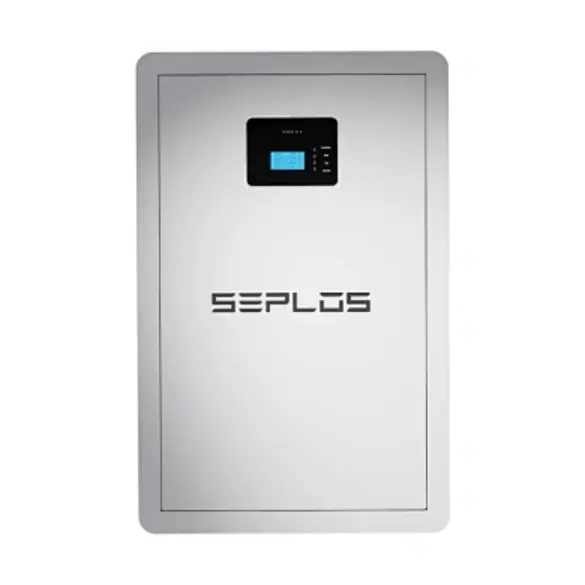
Harnessing the Power of Synergy: A Blend of Strengths
The beauty of a hybrid energy storage system lies in its ability to create synergy through the combination of technologies with complementary characteristics. This allows the system to address a broader spectrum of energy storage needs and optimize performance across diverse operational scenarios.
Technology Harmony: Imagine a system that integrates a battery energy storage system (BESS) with a supercapacitor. Batteries excel in providing high energy density, making them ideal for sustained storage over longer durations.
Many modern hybrid solutions use a lithium storage battery for hybrid energy storage systems because lithium technology provides high efficiency, long cycle life, and reliable performance.
Supercapacitors, on the other hand, boast exceptional power density, enabling them to respond swiftly to sudden fluctuations in demand. By uniting these technologies, the hybrid system can deliver both consistent energy output and rapid bursts of power when needed.
Performance Amplified: Another compelling hybrid configuration involves pairing different types of batteries, such as lithium-ion and flow batteries. Lithium-ion batteries are renowned for their high energy density and efficiency, while flow batteries offer exceptional cycle life and scalability. By combining these technologies, the hybrid system achieves both superior performance and long-term dependability.
Applications Spanning the Globe
Hybrid energy storage systems are finding homes in a diverse array of sectors, from residential and commercial buildings to large-scale grid energy storage and the burgeoning electric vehicle market.
Grid-Scale Revolution: Hybrid systems are revolutionizing grid management by enhancing stability, facilitating the seamless integration of renewable energy sources, and providing essential ancillary services like frequency regulation and voltage support. By strategically combining different storage technologies, grid operators can optimize system performance and meet the ever-evolving demands of the modern grid.
Empowering Commercial and Industrial Operations: Hybrid systems are empowering businesses by reducing energy costs, enhancing power quality, and providing reliable backup power for critical operations.
For businesses requiring scalable solutions, a hybrid commercial energy storage battery can combine multiple storage technologies to support peak demand management, backup power, and long-term energy optimization.
For example, a hybrid system that combines a battery with a fuel cell can provide both short-term and long-term energy storage, ensuring an uninterrupted power supply even during prolonged grid outages.
Transforming Residential Energy Management: Hybrid systems are enabling homeowners to maximize their self-consumption of renewable energy, minimize their reliance on the grid, and ensure backup power during emergencies. By integrating a battery with a thermal energy storage system, homeowners can optimize their energy usage and significantly reduce their carbon footprint.
Conclusion
Hybrid energy storage systems represent a pivotal leap forward in energy storage technology, offering a potent and adaptable solution for a wide range of applications. By strategically combining diverse storage technologies, these systems harness the strengths of each component while overcoming their limitations, resulting in energy storage solutions that are more efficient, reliable, and cost-effective than ever before.
As the demand for advanced energy storage continues its rapid ascent, hybrid systems are poised to play an increasingly vital role in shaping the future of energy. As Seplos, we are dedicated to pioneering innovative and dependable energy storage solutions, including the development of cutting-edge components for hybrid systems, to meet the ever-evolving needs of the global market. Founded in 2017, we provide energy storage systems, solar panels, LiFePO4 prismatic cells, high voltage BMS, and other DIY LiFePO4 battery boxes. With our advanced technology, reliable after-sale services, and strict quality controls, our battery energy storage systems are highly recognized by the EU, America, Australia, South Africa, and the Middle East. Trust Seplos to be your reliable energy storage battery manufacturer.
FAQs About Hybrid Energy Storage Systems
A hybrid energy storage system combines two or more energy storage technologies to improve efficiency, reliability, and overall system performance. Different technologies work together to provide balanced energy output and optimized storage capabilities.
Battery energy storage systems are integrated with other technologies through intelligent energy management systems that coordinate charging, discharging, and power distribution between different storage components.
Hybrid energy storage systems improve energy efficiency, enhance reliability, reduce operating costs, and provide flexible solutions for residential, commercial, industrial, and grid applications.
Yes. Hybrid energy storage systems can help businesses reduce energy costs, manage peak demand, improve power quality, and provide reliable backup power for critical operations.
Hybrid systems may combine lithium-ion batteries, flow batteries, supercapacitors, thermal storage, and other technologies depending on the required application and performance goals.