





- 1
- 2
- 3
- 4
- 5
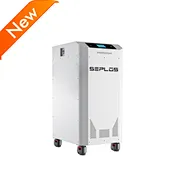
Power You Home with Seplos Home Energy Storage System
Welcome to Seplos’s Shop. We boast a wide range of home energy storage batteries from 12V to 51.2V, which are primarily designed for backup power, PV self-consumption, and off-grid solutions for homeowners. Our residential energy storage system is a LifePo4 Lithium battery. You can combine it with a PV system or grid to store excess energy for a blackout or emergency. Seplos Home ESS will be your best choice to achieve energy independence, save money, and keep a greener life.
Why Choose Seplos Residential Energy Storage Systems
Safe & Reliable Power Storage:
With the help of cutting-edge residential energy storage systems, homeowners can maximize their use of clean, renewable energy sources while reducing their dependency on the grid. The residential ESS boasts CE, RoHS, IEC62133, and IEC62619, allowing it to meet strict international standards for safety, quality, and environmental performance. Based on the Lithium Iron Phosphate (LFP) battery technology, the system ensures your fire-proof and quality power usage. Thus, a safe and reliable home energy storage system ensures smooth and good performance of residential use during power outages or extreme weather events. It brings homeowners peace of mind to take control of home energy and maximize clean energy usage.
24/7 Energy Monitor:
Homeowners can control and monitor Seplos residential ESS via APP anytime and anywhere. Connects all the Seplos systems to make maximum use of renewable solar energy and enable smart control for a lower budget. With a smart, intuitive, and user-friendly residential ESS APP, homeowners can now manage their home's energy production, storage, and consumption from any mobile device (Android, iOS, and Web).
Save Money:
An advanced household battery storage system is here for you to utilize solar energy 24/7 and shrink your electricity bill. Invest in your energy future with our home battery energy storage system. Saving more than 60% of your energy bills, residential battery storage helps homeowners store extra electricity generated from clean solar batteries. It can keep your home energy running at a lower cost. Even better, homeowners can optimize their battery reserves for breakout or emergency.
8 years of battery expertise:
As a professional battery energy storage company, Seplos has rich experience and expertise in home energy storage solutions, which transform the way people use and manage their electricity. We know how to keep your energy supply more affordable and constant with our home energy storage system. You can rely on Seplos to offer reliable and effective electricity during critical moments, even in the event of a blackout.
FAQ About Home Energy Storage Systems
1. What is a residential energy storage system?
A residential energy storage system, commonly known as a home energy storage system, is a battery-based setup installed in homes. It can store electricity generated either by renewable sources like solar panels or purchased from the grid during off-peak hours. The home energy storage battery primarily utilizes advanced lithium-ion battery technology to store energy securely and efficiently. During peak demand times, nighttime, or even power outages, homeowners can use this system to control and optimize their home's energy usage. It’s a practical and sustainable way to balance environmental protection and daily energy consumption.
2. How does a residential energy storage system work?
From collection, conversion, and storage to management, an energy storage system works for household energy use. Here's a simplified explanation of how it works:
Energy Generation: Typically, solar panels generate electricity from sunlight, producing direct current (DC).
Conversion & Storage: An inverter converts the solar-generated DC electricity into alternating current (AC) suitable for household appliances. Excess energy not immediately needed is converted back into DC and stored in a high-capacity home energy storage battery.
Energy Use: Later, when your home energy demand increases or your solar panels are inactive (such as at night or cloudy days), the inverter retrieves the stored DC energy, reconverts it to AC, and distributes it through your home energy storage system, powering your home appliances.
Many modern home energy storage systems include sophisticated monitoring platforms, enabling homeowners to track energy production, energy storage, and energy control with ease.
3. What are the benefits of installing a residential energy storage system?
Installing an energy storage system will provide numerous practical, environmental, and financial benefits to homeowners, including:
Energy Independence: Significantly reduces reliance on the grid when you can store and utilize your own renewable energy with a home solar energy storage system.
Reliable Backup Power: Home energy storage solutions provide consistent electricity during outages, and it keeps household appliances running all the time.
Cost Reduction: Allowing you to leverage stored energy during peak electricity pricing periods, the residential energy storage battery ultimately cuts your electricity bills.
Enhanced Renewable Energy Use: Producing excess solar energy during sunny days, the system enables you to utilize it efficiently at night or on cloudy days.
Environmental Friendliness: Home energy storage systems contribute to decreasing carbon footprint because homeowners don't only depend on fossil fuel-based electricity anymore.
4. What are the different types of residential energy storage systems available?
The residential energy storage solutions vary from battery types. Choosing the right energy storage system to satisfy your household’s needs.
Lithium-ion Battery Storage Systems:
This type of home energy storage system is currently popular due to its high energy density, long lifetime, rapid charging capability, and compact appearance. Lithium-ion batteries efficiently handle frequent charge and discharge cycles, making them ideal for modern homes.
Lead-Acid Battery Storage Systems:
Historically common, these batteries are affordable and reliable. However, they have shorter lifespans and require more physical space compared to lithium-ion batteries.
Flow Battery Storage Systems:
Utilizing liquid electrolyte solutions stored in tanks, flow batteries offer scalable capacity and an extended life cycle. While still less common for residential use, they are suitable for households with higher-than-average energy storage requirements or off-grid setups.
5. How much does a residential energy storage system typically cost?
The cost of a residential energy storage system varies depending on the battery type, capacity, necessary equipment, installation complexity, and your specific energy needs. Generally, a complete installation of a home battery system ranges from approximately $5,000 to $20,000 or more.
Battery Capacity: Typically the system is measured in kilowatt-hours (kWh); higher capacities naturally increase the cost.
Battery Technology: Lithium-ion home energy storage systems typically cost more prices than lead-acid batteries, but their longevity and higher performance can provide greater long-term value.
Additional Components: Inverters, battery management systems (BMS), monitoring software, and installation accessories contribute to overall pricing.
Installation Expenses: Professional installation, electrical upgrades, and compliance with local codes also impact the total costs of home energy storage systems.
Although the initial investment can seem substantial, home energy storage systems paying for the family are valuable for a long time, with long-term energy savings, decreased grid reliance, and potential government incentives or tax credits.