






- 1
- 2
What is the LiFePO4 Battery Management System?
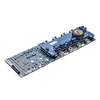
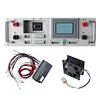
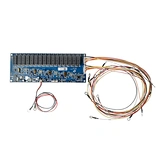
A LiFePO4 battery management system (BMS) is essentially the smart “brain” of your LiFePO4 battery pack. It monitors each individual cell—keeping an eye on voltage, current, and temperature—to ensure they all work together safely and efficiently. Its key components include cell monitoring boards, a master control board, and contractors or MOSFETs to control the charge/discharge process, along with a current shunt for tracking power flow. Unlike generic BMS setups, a LiFePO4 battery management system is specifically designed to handle the unique characteristics of LiFePO4 cells, offering precise balancing (whether passive or active) to prevent issues like under/over-discharge and temperature fluctuations. Advanced LiFePO4 BMS even features Bluetooth or WiFi connectivity, state-of-charge calculations, customizable settings, and data logging, making it easier to monitor your battery’s performance.
What is the Feature of a LiFePO4 Battery Management System?
A LiFePO4 battery management system (BMS) is designed to keep your LiFePO4 cells safe and working efficiently. Here’s what it does:
Monitors Key Parameters: It constantly checks each cell’s voltage, current, and temperature, making sure none of them stray outside standard.
Prevents Overcharge & Overdischarge: The LiFePO4 battery BMS stops charging when a cell reaches its maximum voltage, and disconnects the load if a cell drops too low—protecting the battery from damage.
Monitors Key Parameters: It constantly checks each cell’s voltage, current, and temperature, making sure none of them stray outside standard.
Controls Overcurrent & Short-Circuits: It limits excessive current flow, guarding against sudden surges or short circuits that could harm your BMS.
Manages Temperature: By keeping an eye on cell temperatures, LiFePO4 BMS prevents overheating (which could lead to thermal runaway) and even shuts off charging in low-temperature conditions to avoid lithium plating.
Balances Cells: Whether through passive or active methods, the BMS ensures all cells remain at a similar charge level, which is crucial for maximizing the LiFePO4 battery’s lifespan.
How to Choose the Right Battery Management System for LiFePO4
Selecting the appropriate Battery Management System (BMS) contributes to the safety, efficiency, and longevity of your LiFePO4 (Lithium Iron Phosphate) battery pack. Here’s a comprehensive guide to help you choose the right BMS for your application.
Key Parameters to Consider:
Voltage Compatibility:
Ensure the BMS matches the nominal voltage of your battery pack. For instance, a 12V LiFePO4 battery pack typically has a nominal voltage of 12.8V (comprising four 3.2V cells in series). Therefore, the BMS should be rated for 12V systems to ensure proper operation.
Current (Amperage) Rating:
The BMS must handle the maximum continuous current your application requires. To determine this, calculate the total power consumption of your system and divide it by the battery voltage:
Current (A) = Power (W)/Voltage (V)
For example, if your system consumes 2,500W and operates on a 12V battery:
2500W/12V = 208.3A
In this case, selecting a BMS rated for at least 250A would provide a safety margin and ensure reliable performance.
Capacity and C-Rate:
The C-rate indicates how quickly a battery can be charged or discharged relative to its capacity. It’s defined as the charge or discharge current divided by the battery’s capacity. For example, a 200Ah battery with a maximum discharge rate of 0.5C can safely provide:
200Ah x 0.5C = 100A
Therefore, the LiFePO4 battery management system should support at least this current. Selecting a BMS with a slightly higher rating than the maximum expected current can enhance reliability.
Cell Balancing:
Over time, due to their different temperatures, usages, and makeup processes, individual cells in a battery pack can develop voltage imbalances, leading to lower capacity and less lifespan. A BMS can ensure all cells maintain equal voltage for better performance and longevity.
Temperature Monitoring:
LiFePO4 batteries are sensitive to temperature extremes. A BMS equipped with temperature sensors can prevent charging or discharging under unsafe temperature conditions, thereby protecting the battery.
Safety Features:
Look for a BMS that offers protection against over-voltage, under-voltage, over-current, short circuits, and extreme temperatures. These features are vital for preventing damage to the LiFePO4 battery.
Common LiFePO4 BMS Ratings and Their Applications
50A LiFePO4 BMS: Suitable for small applications like portable devices or light electric vehicles where current demands are relatively low.
100A LiFePO4 BMS: Ideal for medium-sized systems such as residential solar energy storage or larger electric vehicles.
200A LiFePO4 BMS and above: Designed for high-power applications like commercial energy storage systems or industrial machinery.
By carefully evaluating these parameters and aligning them with your application’s requirements, you can select a LiFePO4 Battery Management System for better performance, safety, and longevity of your battery setup.
FAQ of LiFePO4 Battery BMS
1. What are the components of a LiFePO4 BMS?
Battery management system keeps your LiFePO4 battery pack safe and efficient. Here are its main components:
• Cell Monitoring Boards: Continuously check each cell’s voltage, current, and temperature to make sure everything is within safe limits.
• Master Control Board: Act as the central hub, coordinate data from all cell boards, and manage overall battery performance.
• Charge/Discharge Control (Contractors or MOSFETs): Control how power flows during charging and discharging, protecting the battery from overcharging or deep discharges.
• Current Shunt: Measure the current flow through the battery, helping to track energy usage and detect any irregularities.
• Connectivity Options (Advanced Models): Come with Bluetooth or WiFi, allowing you to monitor and manage your battery remotely.
• Wiring and Connections: The BMS links all parts of the LiFePO4 battery pack—often arranged in series or parallel configurations (like 12V, 24V, or 48V banks)—and connects to the charger and inverter/load through reliable communication protocols.
2. Can I DIY my own LiFePO4 battery using a BMS?
1. Learn the Basics: Understand key terms like voltage, amperage, capacity, and C-rating.
2. Plan Your Battery Pack:
Choose LiFePO4 cells that match your required voltage (e.g., four 3.2V cells for a 12.8V battery).
Arrange cells in series for the desired voltage and in parallel for extra capacity.
3. Select the Right LiFePO4 BMS:
Make sure the BMS is rated for your battery pack’s voltage.
Calculate the maximum current using:
Power (W) = Voltage (V) x Amperage (A)
(For instance, a 12V pack needing ~2500W requires roughly a 200A BMS.)
4. Gather the Components:
LiFePO4 cells
A compatible LiFePO4 battery management system
Nickel strips or copper bus bars, wiring, connectors, and a battery enclosure
Safety items like fuses and insulation materials
5. Build Your Battery:
Wire the cells in series/parallel as planned.
Install the BMS according to its wiring diagram to ensure proper monitoring and balancing.
Secure all connections with soldering or spot welding, and enclose the LiFePO4 battery pack for protection.
6. Test Your Setup:
Double-check all connections and follow safety protocols.
Use a multimeter to verify correct voltages before full-scale use.
3. What happens if I don’t use a LiFePO4 Battery Management System?
Without a BMS, your LiFePO4 battery is at risk. It could experience cell imbalances, overcharging, or overheating—all of which can significantly reduce battery life and even lead to dangerous situations like thermal runaway or fire.
4. Can I replace or upgrade the LiFePO4 Battery BMS in my battery pack?
Yes, you can upgrade or replace your LiFePO4 Battery BMS if you need more advanced features or higher current handling. Just make sure the new BMS matches your battery’s voltage, capacity, and cell configuration.
5. How do I know if my LiFePO4 Battery BMS is working properly?
Most modern LiFePO4 Battery BMS units include indicators, displays, or remote connectivity (Bluetooth/WiFi) to monitor key parameters. Regular checks of voltage, current, and temperature readings, along with any error alerts, will help you confirm everything is operating as it should.