Welcome to SEPLOS
Sign in to access product documents, firmware, manuals and technical resources.
New to SEPLOS?
Create an Account
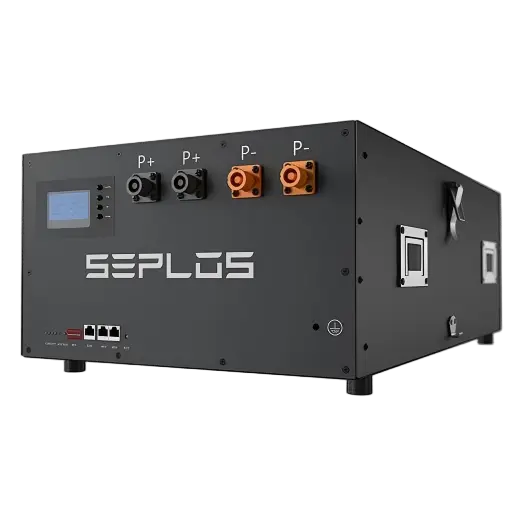
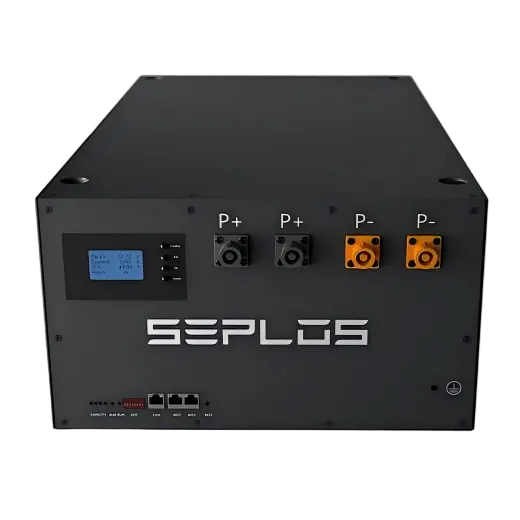
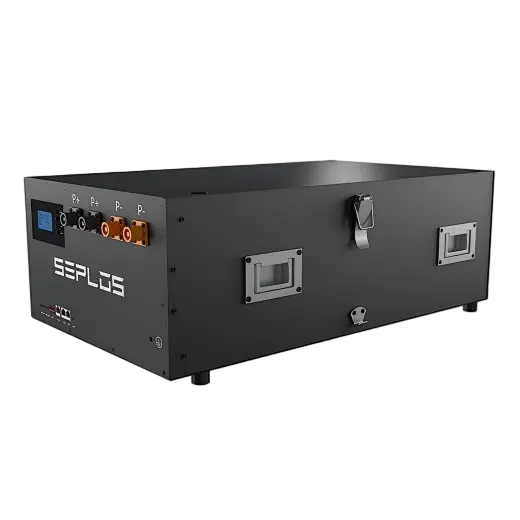
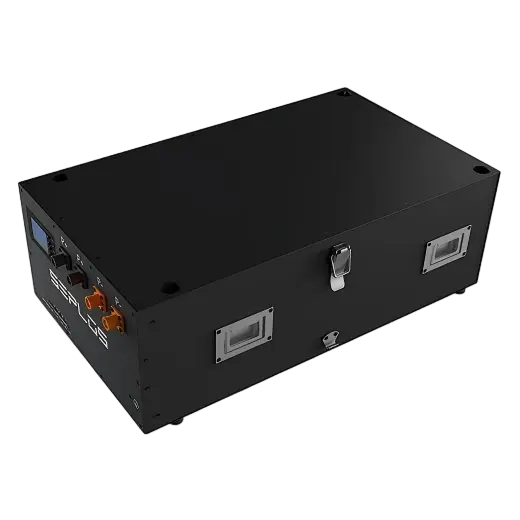
The Seplos Mason-210N is a 10kWh sodium-ion battery designed for residential energy storage, backup power, off-grid systems and selected commercial applications.
Choosing a battery for a residential project involves more than capacity alone. Our guide to choosing the right home energy storage battery explains the key factors to consider when evaluating a suitable system.
With 10.416kWh of rated energy, the system combines sodium-ion cell chemistry with a smart 16S 200A BMS, LCD monitoring and CAN/RS485 communication for reliable battery management and inverter integration.
Its stackable enclosure supports flexible system expansion, while built-in aerosol fire suppression, BMS protection and sodium-ion chemistry help provide a stable and practical energy storage solution for a wide range of operating environments.
Seplos energy storage systems combine advanced battery protection, intelligent monitoring and practical system architecture to support stable operation, flexible integration and long-term project performance.
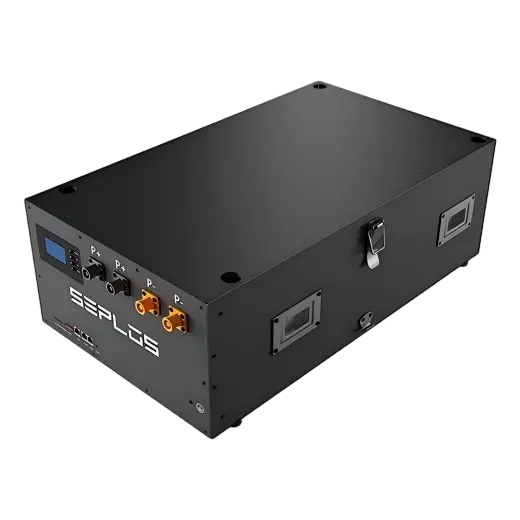
Review the key electrical, battery, communication and environmental specifications required for preliminary system evaluation and project planning.
Use these values for preliminary product comparison, inverter matching and energy storage project assessment. Final configurations should be confirmed with the Seplos engineering team.
| Parameter | Specification |
|---|
| Model | Mason-210N |
| Rated Energy | 10.416 kWh |
| Configuration | 1P16S |
| Nominal Voltage | 49.6 V |
| Working Voltage | 28.8–62.4 V |
| Nominal Capacity | 210 Ah |
| Battery Chemistry | Sodium-Ion |
| Rated Charge / Discharge Current | 100 A @ 25 ± 2°C |
| Maximum Charge Current | 200 A |
| Maximum Discharge Current | 200 A |
| BMS | Smart 16S 200A |
| Parallel Expansion | Up to 32 units |
| Communication | CAN / RS485 ×2 |
| Display | LCD Screen |
| Cycle Life | 4000 cycles @ 80% DOD, 70% EOL |
| Temperature Range | -40–60°C |
| Humidity | 5–85% |
| Altitude Limit | 0–3000 m |
| Dimensions | 750 × 439 × 252 mm |
| Weight | 100 ± 3 kg |
| Protection Rating | IP20 |
| Warranty | 10 Years |
Technical specifications may vary by system configuration, battery module selection and project requirements. Contact Seplos for final engineering confirmation before procurement or system integration.
A connected energy storage architecture coordinates solar generation, grid power, battery charging and critical loads to support more flexible and resilient energy use.
Renewable energy is supplied to the site and excess generation can be directed to battery charging.
Grid electricity supports the site when required and can be managed according to project strategy.
Smart BMS and system controls coordinate charging, discharging, protection and energy dispatch.
Stored energy can help reduce peak demand, shift energy use and improve renewable energy utilization.
Selected equipment can receive stored power during grid interruptions, subject to system configuration.
Reduce high-demand grid consumption
Store excess solar energy for later use
Power essential loads during outages
Solar PV and grid sources supply power according to site conditions.
BMS and control logic monitor system status and available energy.
Energy is stored or released based on demand and project strategy.
Commercial and critical loads receive power through the configured system.
The Mason-210N is designed for residential energy storage projects that require flexible capacity, intelligent battery management, and reliable power support.
Store excess solar energy during the day and use it at night to make better use of your solar power.
Keep essential home appliances running when the grid goes down, providing reliable backup power when it matters most.
Store electricity when rates are low and use it during peak-price hours to help reduce energy bills.
Power your home with stored energy and solar generation to reduce reliance on the grid or support off-grid living.
System voltage, communication protocol, inverter settings and site requirements should be confirmed before final configuration and ordering.
The final energy storage configuration depends on inverter compatibility, system voltage, communication protocol, load profile and the required backup duration.
Communication settings should match the selected inverter, EMS and project control requirements.
Inverter brand, model, voltage range and protocol compatibility should be reviewed before purchase.
The system can be integrated into a project energy management strategy subject to final configuration.
Seplos can review project requirements and help confirm a suitable battery system configuration.
Share your required capacity, inverter model, application and project location. The Seplos engineering team can help review compatibility and recommend a suitable system configuration.
Engineering review and final compatibility confirmation are recommended before ordering.
Your project information will only be used to evaluate your inquiry and provide relevant product or technical support.