





- 1
What is LiFePO4 Battery Box?
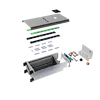
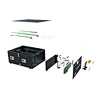
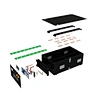
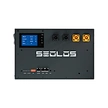
Lithium Iron Phosphate (LiFePO4) battery boxes are tailored solutions designed for energy storage DIY enthusiasts, satisfying the unique dimensions and operational requirements. They safeguard the LFP battery from physical damage. A complete DIY LiFePO4 battery box includes a Battery Management System (BMS), battery information acquisition components, active balancers, short-circuit protectors, and a metal enclosure. Two types are available: one includes LiFePO4 battery cells, while the other does not, requiring users to assemble the cells themselves, emphasizing their DIY nature.
What are the Features of LiFePO4 Battery Box?
Lower Budget
Compared to battery packs, DIY LiFePO4 battery box case without cells which is only a lightweight container, easy to transport, and reduce shipping costs. Leaving more potential for users to choose their preferred battery cells.
Easy to Assemble
At Seplos, our LiFePO4 battery boxes are equipped with highly integrated circuitry and standardized component interfaces. That means DIY enthusiasts can build their energy storage systems easily without requiring professional tools.
Protection and Durability
High-quality battery boxes are made from robust materials such as metal plates, offering resistance against impacts, corrosion, and environmental factors. This ensures the battery remains shielded from physical damage and external contaminants. Plus, by inserting short-circuit protectors within the battery box, Seplos promotes the inner LiFePO4 battery protection.
Longer Lifespan & More Efficiency
Many Seplos LiFePO4 battery boxes are equipped with BMS and active balancer, which extend battery life and improve energy efficiency. Using our battery case to improve battery capacity (deepening Discharge Depth of Discharge, DOD), making it electricity usage efficient.
Portable to Use
The LFP battery cases are easy to transfer due to sturdy handles. Their design also facilitates straightforward installation in various settings, from residential energy storage systems to mobile applications like RVs and boats.
How to DIY ESS with a LiFePO4 Battery Box?
1. Ensuring Proper Ventilation: seeking a ventilated area for the LiFePO4 battery box to allow heat dissipation. Proper airflow is crucial to prevent heat buildup, especially during high-discharge cycles.
2 . Securing the Battery: Use sturdy straps, brackets, or EVA tape to immobilize the LiFePO4 battery within the box. This prevents movement during transportation or operation, reducing the risk of internal damage.
3. Wiring and Connections: Ensure all connections are secure and insulated to prevent short circuits.
4. Integrating a Battery Management System (BMS): A BMS monitors and manages the battery’s performance, protecting against overcharging, over-discharging, and short circuits. Integrating a BMS is essential for the safe operation of your LiFePO4 battery.
5. Safety Measures: Incorporate fuses or circuit breakers to protect against overcurrent situations. Clearly label all components and connections for easy identification during maintenance or troubleshooting.
6. Testing and Maintenance: After assembly, test the LiFePO4 battery case under various conditions to ensure all systems function correctly. Regularly inspect the box, wiring, and battery for signs of wear or damage, and perform maintenance as needed.
FAQS
1. What’s the difference between the LiFePO4 battery box with or without cells?
With cells: Ideal for users seeking an "all-in-one" solution. It includes pre-matched LiFePO4 cells and requires only simple assembly for immediate use.
Cell-free version: Designed for flexibility, allowing users to freely choose cell brands, capacities, or even second-hand cells (to reduce costs). Perfect for scenarios with specific requirements or budget constraints.
Recommendation: Beginners should opt for the "with cells" version for hassle-free setup, while professionals or bulk buyers will find the cell-free version more cost-effective.
2. Is it difficult to assemble the LiFePO4 battery box?
Zero technical threshold: All components feature reverse-polarity-proof connectors + snap-on installation (no soldering). Follow the manual, and most users can complete assembly within 30 minutes.
3. How compatible is the LiFePO4 battery box?
Cell compatibility: Supports mainstream 3.2V 280Ah LiFePO4 prismatic cells.
Accessory expansion: Equipped with Seplos waterproof connectors on the battery box side and standardized interfaces for external connections. Easily integrate third-party devices like solar charge controllers or inverters to build a customized energy storage system.
4. Can I upgrade the battery box capacity in the future?
Yes! Modular design enables two upgrade paths:
Horizontal expansion: Parallel multiple battery boxes to increase total capacity.
Vertical upgrade: Replace cells with higher-capacity ones (ensure voltage consistency).
5. Is the DIY LiFePO4 battery box truly more cost-effective?
Absolutely!
Cost savings: Source cells directly to bypass brand premiums, reducing setup costs.
Long-term value: Modular design supports reuse and upgrades. Future expansions won’t require replacing the entire system.