


Decoding the Divide Commercial vs. Non-Commercial Energy – What’s the Difference
Stepping into the world of energy, it's crucial to distinguish between commercial and non-commercial applications. As Seplos, a dedicated provider of commercial energy storage systems, we often encounter questions about the fundamental differences between these two categories. But what exactly sets them apart, and why is it important to understand these distinctions? The answer lies in a comprehensive exploration of scale, purpose, regulatory frameworks, and economic considerations.
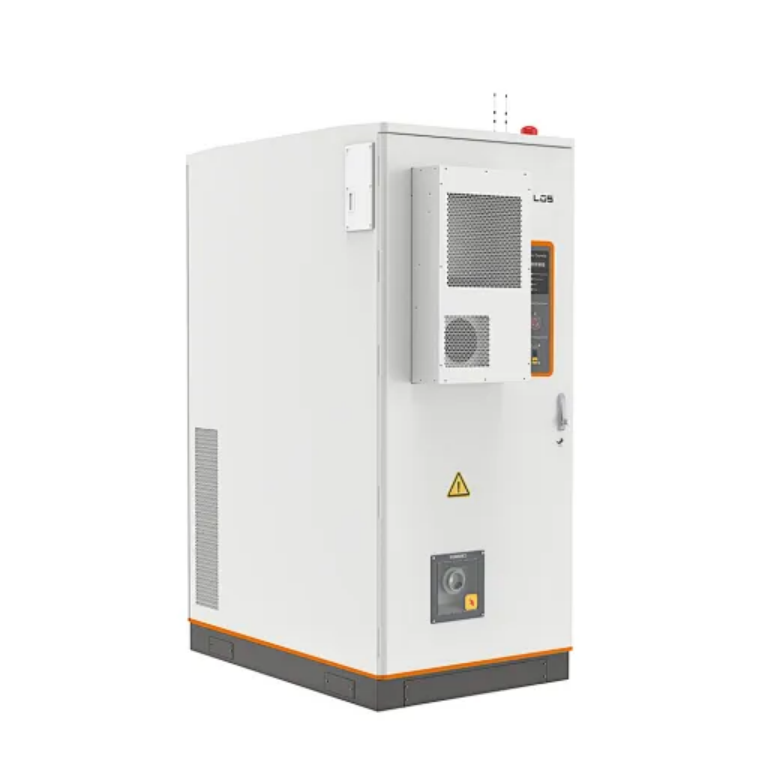
Scale and Scope: A Matter of Magnitude
One of the most significant differences between commercial and non-commercial energy lies in the scale and scope of the operations.
Commercial Energy: Commercial energy applications typically involve large-scale energy generation, distribution, and consumption by businesses, industries, and institutions. These entities require significant amounts of energy to power their operations, manufacturing processes, and infrastructure.
Non-Commercial Energy: Non-commercial energy, on the other hand, refers to energy used primarily for personal or residential purposes. This includes energy consumed by households for lighting, heating, cooling, appliances, and other domestic needs.
Purpose and Objectives: Meeting Different Needs
The purpose and objectives of energy usage also differ significantly between commercial and non-commercial applications.
Commercial Energy: Commercial entities utilize energy to generate revenue, produce goods and services, and support their business operations. Energy efficiency and cost optimization are often key priorities, as energy expenses can significantly impact profitability.
Non-Commercial Energy: Non-commercial energy is primarily used to meet basic human needs and improve the quality of life. While cost is a consideration, factors such as comfort, convenience, and environmental impact also play a significant role.
Economic Considerations: A Tale of Two Markets
The economic dynamics of commercial and non-commercial energy markets also differ significantly.
Commercial Energy: Commercial energy markets are often characterized by complex pricing structures, wholesale energy trading, and demand response programs. Businesses may have opportunities to earn revenue by participating in energy markets or reducing their energy consumption during peak demand periods.
Non-Commercial Energy: Non-commercial energy markets are typically characterized by fixed retail prices and limited opportunities for consumers to actively participate in energy markets. However, government incentives and programs may be available to encourage energy efficiency and the adoption of renewable energy technologies.
The Strategic Advantage: Investing in Commercial Energy Storage
For businesses seeking to optimize their energy usage, reduce costs, and enhance their sustainability efforts, commercial energy storage systems offer a compelling solution.
Reliable Backup Power: Ensure business continuity during grid outages or power restrictions.
Lower Energy Bills: Store energy during off-peak periods and use it when electricity prices spike.
Revenue Generation: Participate in the wholesale energy market and earn revenue by selling excess energy.
Conclusion
Understanding the differences between commercial and non-commercial energy is crucial for making informed decisions about energy usage, investments, and sustainability strategies. By recognizing the unique characteristics of each category, businesses and individuals can optimize their energy consumption, reduce costs, and contribute to a more sustainable energy future. At Seplos, we are committed to providing innovative and reliable commercial energy storage systems that empower businesses to take control of their energy future. Investing in a commercial energy storage system puts your business in charge of your energy future—saving money, supporting sustainability, and ensuring reliability. Trust Seplos to deliver the power and reliability you need to thrive in a competitive business environment.
How Many Off Grid Solar Panels Power Your Dream Home
Powering Progress What Is a Commercial and Industrial Energy Storage System
For more questions, please
contact us

+86 15079804024


Room 102, Building one, No.147, Qingfeng Road, Qingxi Town, Dongguan, China