


From Sunlight to Socket A Guide to Installing Your Off-Grid Solar Panel System
Embarking on the journey of installing an off-grid solar panel system is a significant step towards energy independence. As Seplos, it's exciting to see more people taking control of their power and embracing sustainable solutions. Setting up your own off-grid system might seem daunting, but with careful planning and the right knowledge, it's an achievable goal. Let's walk through the key steps involved.
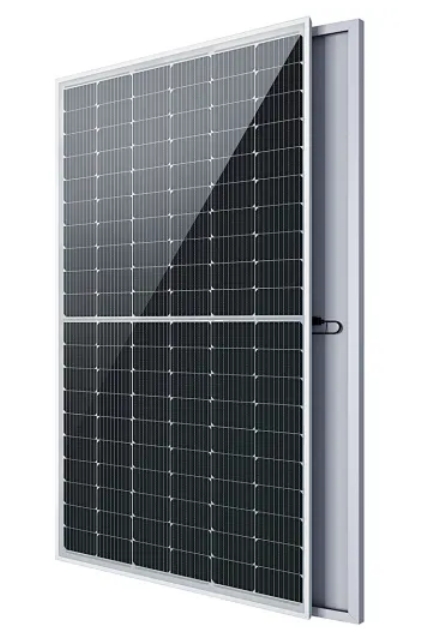
First things first, let's talk about the essential components needed to effectively power your household using off-grid solar panels:
Solar Panels: These are the workhorses of your system, converting sunlight into electricity. The number and wattage of panels you'll need will depend on your energy consumption, as we discussed in the previous article.
Charge Controller: This crucial device manages the flow of electricity from the solar panels to the batteries. It prevents overcharging, which can damage the batteries and shorten their lifespan.
Batteries: Batteries store the energy generated by the solar panels, allowing you to use electricity even when the sun isn't shining. The size and type of batteries you'll need will depend on your energy storage requirements.
Inverter: This component converts the DC (direct current) power stored in the batteries into AC (alternating current) electricity, which is the standard type of power used by most household appliances.
Mounting Equipment: Securely mounting your solar panels is essential for their performance and longevity. Choose mounting equipment that is appropriate for your roof type or ground location.
Backup Generator (Optional): A backup generator can provide additional energy during extended periods of low sunlight, ensuring you always have power available.
Monitoring System: A monitoring system allows you to track your energy production and usage, helping you optimize your system's efficiency and identify any potential problems.
Now, let's dive into the installation process.
Planning and Preparation
Before you start wrenching, thorough planning is essential.
Assess Your Energy Needs: As mentioned before, understanding your energy consumption is critical. Conduct a home energy audit to determine your daily and seasonal energy requirements.
Site Assessment: Evaluate your property to determine the best location for your solar panels. Consider factors such as sunlight exposure, shading, and roof orientation.
Permitting and Regulations: Check with your local authorities to determine if you need any permits or approvals before installing your off-grid solar panel system.
System Design: Based on your energy needs and site assessment, design your solar panel system. This includes determining the number of panels, battery capacity, inverter size, and other components.
Installation Steps
Once you have a solid plan, you can begin the installation process.
Mounting the Panels: Install the mounting equipment according to the manufacturer's instructions. Securely attach the solar panels to the mounting structure.
Wiring the Panels: Connect the solar panels to each other in series or parallel, depending on your system design. Use appropriate wiring and connectors to ensure a safe and reliable connection.
Installing the Charge Controller: Mount the charge controller in a dry, protected location. Connect the solar panels and batteries to the charge controller according to the manufacturer's instructions.
Connecting the Batteries: Connect the batteries to each other in series or parallel, depending on your system design. Use appropriate battery cables and connectors.
Installing the Inverter: Mount the inverter in a well-ventilated location. Connect the batteries to the inverter according to the manufacturer's instructions.
Testing and Commissioning: Once all the components are connected, test the system to ensure it is functioning properly. Monitor the system's performance and make any necessary adjustments.
Conclusion
Installing an off-grid solar panel system is a rewarding experience that can provide you with energy independence and reduce your environmental impact. Remember to prioritize safety and follow all applicable codes and regulations.
At Seplos, we're committed to providing innovative and reliable energy storage solutions that empower individuals and communities to embrace a sustainable future. Our range of lithium iron phosphate (LiFePO4) batteries are specifically designed for off-grid solar applications, offering superior performance, safety, and longevity.
Off Grid Solar Panels Your Complete Energy Independence Toolkit
Empowering Independence How to Use Solar Panels Off Grid
For more questions, please
contact us

+86 15079804024


Room 102, Building one, No.147, Qingfeng Road, Qingxi Town, Dongguan, China