


How Many Off Grid Solar Panels Power Your Dream Home
Dreaming of cutting the cord and living powered solely by the sun? Determining the exact number of off grid solar panels needed for your house isn't a one-size-fits-all answer, but understanding the key factors makes calculating your perfect system achievable. True energy freedom starts with accurately sizing your solar array – get this right, and reliable, independent power becomes your reality.
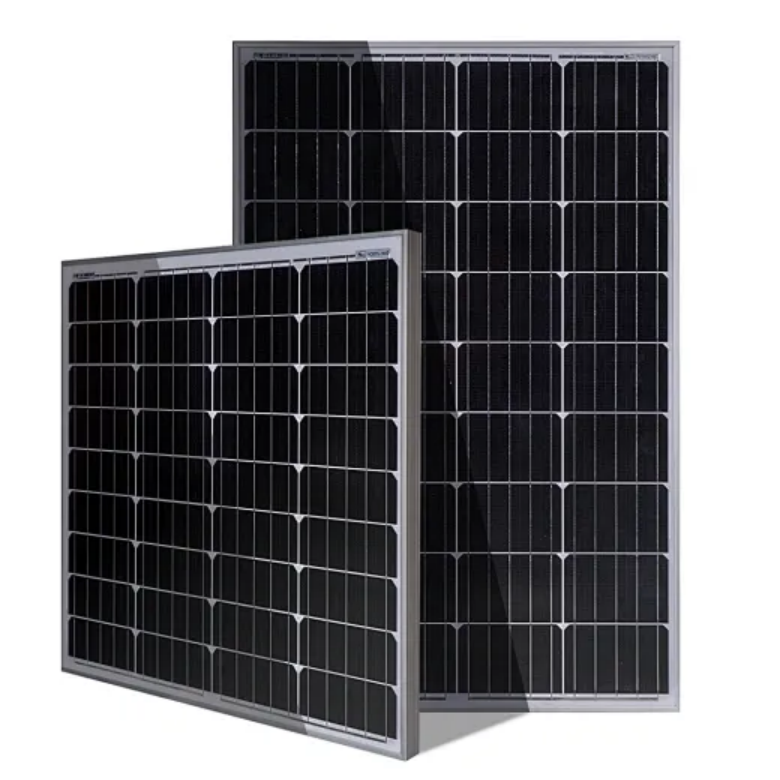
Key Factors Dictating Your Off Grid Solar Panel Count
Several crucial elements directly impact how many off grid solar panels your home requires. First, scrutinize your daily energy consumption in kilowatt-hours (kWh). This involves listing all appliances, their wattages, and estimated daily run times – an energy monitor provides the most precise data. Second, your geographic location is paramount. Sunlight hours vary dramatically; a sunny Arizona home needs fewer panels than one in cloudier Washington state for the same energy output. Third, the wattage rating of the individual off grid solar panels you choose matters significantly. Higher efficiency panels (like those often found in dedicated off grid solar panels kits) generate more power per square foot, potentially reducing the total number needed. Finally, adequate battery storage is non-negotiable for surviving nights and cloudy days. Your battery bank size, measured in kWh, determines how much solar energy you can store and use when the sun isn't shining, influencing how aggressively your panels need to recharge it daily.
Calculating Your Ideal Off Grid Solar Setup
Armed with your energy audit and location data, calculating your approximate off grid solar panels requirement follows a clear process. Start with your average daily kWh usage. Divide this number by the average peak sun hours for your location (easily found online via solar maps). This gives you the total kilowatts (kW) of solar panels needed. For example, a home using 30 kWh daily in a location with 5 peak sun hours needs a 6 kW system (30 kWh / 5 hours = 6 kW). Convert this kW figure to the number of panels by dividing the total system size (in watts) by the wattage of your chosen panels. If using 400W panels for that 6 kW (6000W) system, you'd need 15 panels (6000W / 400W per panel = 15 panels). Remember to add a significant buffer (often 20-50%) to account for inefficiencies, longer winter nights, and unexpected energy needs. This buffer ensures your off grid solar panels system reliably meets demand year-round, preventing frustrating power shortages.
Conclusion
Achieving genuine off-grid independence hinges on precise system sizing and robust components. Seplos specializes in making this transition seamless. Offering comprehensive off grid solar panels kits designed for reliability, these solutions integrate high-efficiency panels, powerful inverters, and meticulously sized Seplos battery banks tailored to your specific energy profile. Benefit from expert technical guidance and durable equipment engineered for off-grid resilience, ensuring your home enjoys uninterrupted, sustainable power. Discover the path to true energy freedom with Seplos off-grid solutions today.
How to Set Up Solar Panels Off-Grid
Decoding the Divide Commercial vs. Non-Commercial Energy – What’s the Difference
For more questions, please
contact us

+86 15079804024


Room 102, Building one, No.147, Qingfeng Road, Qingxi Town, Dongguan, China