


How to Install Solar Panels Off-Grid
Installing solar panels off-grid is an exciting endeavor that opens the door to energy independence and sustainability. By harnessing the power of the sun, homeowners can reduce their reliance on conventional energy sources while enjoying the freedom of living off the grid. Seplos is here to guide you through the essential steps for installing off-grid solar panels effectively.
Step 1: Assess Your Energy Needs
Before diving into installation, it’s crucial to assess your energy needs. Understanding how much electricity your household consumes on a daily basis will help determine the size of the solar panel system required. This involves calculating the wattage of all electrical appliances and estimating how many hours they will be used each day. By doing this, homeowners can establish a clear understanding of the energy capacity needed from their solar panels.
Step 2: Choose the Right Location
The location of your solar panels is vital for maximizing energy production. The best spot is typically where the panels can receive the most sunlight, usually facing south in the northern hemisphere. Even in areas with partial sunlight, modern off-the-grid solar panels are designed to capture ambient light effectively, ensuring consistent energy output.
Assess the surroundings to identify any potential obstructions, such as trees or buildings, that might cast shadows on the panels. Clearing these obstructions can significantly enhance energy collection.
Step 3: Gather the Necessary Components
To set up an effective off-grid solar system, several key components are required:
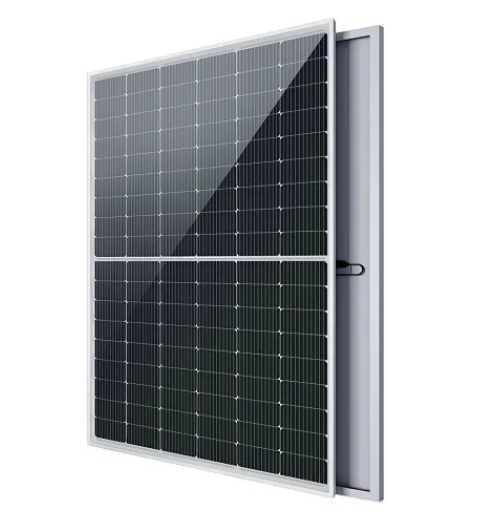
Off-Grid Solar Panels: These panels will be the primary source of energy generation. Selecting high-quality solar panels, like those offered by Seplos, ensures durability and efficiency.
Batteries: Energy storage is essential for off-grid living. Batteries will store the electricity produced during sunny days for use during the night or on cloudy days.
Charge Controller: This device regulates the flow of electricity from the solar panels to the batteries, preventing overcharging and maximizing battery life.
Inverter: An inverter converts the stored direct current (DC) power into alternating current (AC) power, which is used by most household appliances.
Wiring and Mounting Hardware: Proper wiring and mounting systems are necessary for safely connecting all components and ensuring optimal performance.
Step 4: Installation Process
Once all components are gathered, the installation can begin. Start by securely mounting the solar panels on a frame or roof. Ensure that the panels are angled correctly to capture the maximum amount of sunlight, typically at a 30-degree angle.
Next, connect the solar panels to the charge controller using appropriate wiring. It’s crucial to follow the manufacturer’s specifications for wiring to prevent any electrical hazards. After connecting the charge controller to the batteries, ensure that the inverter is also linked to the battery system.
Step 5: System Testing and Monitoring
After installation, testing the entire system is essential. Check all connections to ensure they are secure and functioning correctly. Once the system is operational, monitor its performance regularly. Many modern systems come with smart monitoring technology that allows users to track energy production and consumption in real time.
Conclusion
Installing off the grid solar panels is a rewarding process that empowers homeowners to embrace renewable energy and achieve energy independence. By assessing energy needs, choosing the right location, gathering essential components, and following a systematic installation process, anyone can successfully set up a solar panel system. Seplos is committed to providing high-quality off-grid solar solutions and energy storage systems, making the transition to renewable energy easier and more efficient. Founded in 2017, Seplos has earned a reputation as a leading manufacturer in the energy storage sector, recognized for advanced technology and reliable service. Trust Seplos to be your partner in harnessing the power of the sun for a sustainable future.
Empowering Independence How to Use Solar Panels Off Grid
Unlock Your Home's Off-Grid Solar Panel Equation
For more questions, please
contact us

+86 15079804024


Room 102, Building one, No.147, Qingfeng Road, Qingxi Town, Dongguan, China