


Long Cycle Life Matters in Home Battery Energy Storage Systems
In the quest for sustainable energy solutions, energy storage systems for homes have become increasingly essential. These systems allow homeowners to store excess energy generated from renewable sources, such as solar panels, for later use. One of the critical factors influencing the effectiveness and value of these systems is their cycle life—the number of charge and discharge cycles a battery can undergo before its capacity significantly diminishes. Understanding the importance of long cycle life can help homeowners make informed decisions about their energy storage investments.
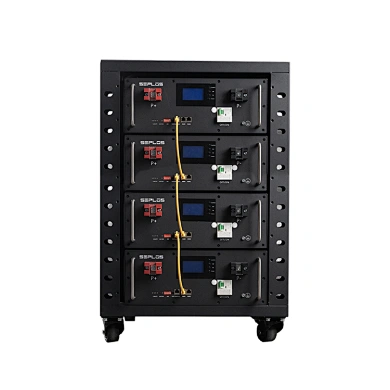
What is Cycle Life and Why It Matters
Cycle life refers to the lifespan of a battery in terms of how many complete charge and discharge cycles it can perform before its performance degrades. For energy storage systems for homes, a longer cycle life means that the battery will last longer and provide reliable energy storage over the years.
Homeowners should consider the cycle life when selecting a battery, as it directly impacts the system’s overall cost-effectiveness. A battery with a long cycle life may have a higher upfront cost but can save homeowners money in the long run by reducing the need for early replacements. For instance, lithium-ion batteries, commonly used in home energy storage, can offer cycle lives ranging from 5,000 to 15,000 cycles, significantly outlasting traditional lead-acid batteries, which typically only last 1,000 to 2,000 cycles.
Economic Benefits of Long Cycle Life
Investing in energy storage systems with long cycle life can lead to substantial economic benefits. Homeowners can enjoy lower maintenance costs and decreased replacement frequency, making these systems more financially viable over time. A longer-lasting battery means that homeowners can rely on their energy storage systems for many years without the worry of degradation affecting performance.
Moreover, the economic benefits extend to energy savings. With a high cycle life, homeowners can maximize their use of stored energy during peak hours, reducing electricity bills. This financial efficiency helps offset the initial investment and enhances the overall return on investment (ROI) for the energy storage system.
Environmental Impact and Sustainability
Choosing energy storage systems for homes with long cycle life also aligns with sustainability goals. Longer-lasting batteries reduce the frequency of battery disposal, minimizing environmental impact. The production and disposal of batteries can have significant ecological consequences, so selecting a system that lasts longer contributes to a more sustainable approach to energy management.
Additionally, as more homeowners turn to renewable energy sources, the demand for efficient energy storage solutions will grow. By investing in systems that boast a long cycle life, homeowners can contribute to a more sustainable energy landscape while enjoying the benefits of reliable energy storage.
Conclusion
In conclusion, the cycle life of energy storage systems for homes is a vital consideration for homeowners looking to invest in renewable energy solutions. A longer cycle life not only enhances the economic viability of these systems but also supports sustainability efforts. By choosing energy storage solutions with robust cycle life, homeowners can ensure reliable energy access, reduce costs, and contribute positively to the environment. Investing in quality energy storage is not just a financial decision; it’s a step towards a more sustainable future.
How Safe Are Home Battery Energy Storage Systems
How Much Does a Home Battery Energy Storage System Cost
For more questions, please
contact us

+86 15079804024


Room 102, Building one, No.147, Qingfeng Road, Qingxi Town, Dongguan, China