


Maximizing Efficiency and Savings with Commercial Energy Storage and Solar Systems
In today's business world, companies are increasingly looking for ways to reduce energy costs, enhance operational reliability, and contribute to sustainability. One of the most effective solutions is integrating commercial energy storage solutions with solar systems. This combination offers numerous benefits, including energy independence, cost savings, and improved reliability.
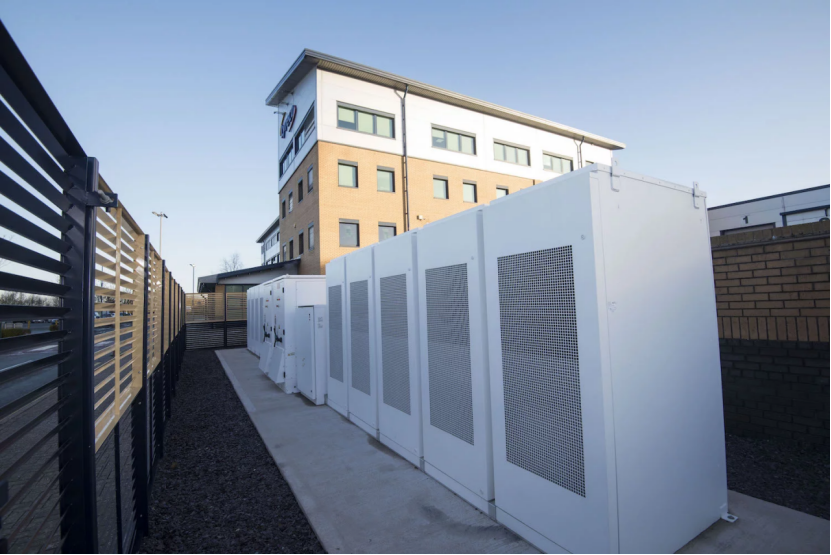
Energy Independence for Businesses
Integrating commercial energy storage solutions with solar systems enables businesses to become more self-sufficient in their energy consumption. Solar panels generate power during the day, but without storage, excess energy is often wasted or sent back to the grid. By adding battery storage, businesses can store this surplus energy for use when the sun isn't shining—during the night or on cloudy days.
Take, for example, a manufacturing facility. During the day, it may produce more energy than it needs, which can be stored in batteries. At night, instead of drawing power from the grid, the facility taps into its stored solar energy, reducing reliance on expensive grid electricity and improving overall operational efficiency. This level of energy independence helps businesses ensure continuity of operations, even during peak demand times.
Cost Reduction through Peak Load Shifting
One of the key advantages of commercial energy storage solutions is the ability to reduce energy costs. Solar systems generate excess energy during the day, but without storage, businesses miss the opportunity to use that energy during high-demand hours when electricity rates are at their peak. By storing this energy, businesses can avoid purchasing electricity from the grid during costly peak hours.
In addition to this, many businesses face demand charges, which are calculated based on the highest level of energy consumption during a billing period. Battery storage helps mitigate these charges by providing energy during periods of high demand, thus lowering overall electricity costs. For instance, a company that experiences higher electricity consumption during specific periods can use stored solar power to meet its energy needs, reducing reliance on grid power and minimizing costly demand charges.
Enhancing Operational Reliability with Solar + Storage
A consistent energy supply is essential for businesses, especially those operating 24/7 or with sensitive equipment. Traditional power sources are susceptible to outages and fluctuations, which can disrupt operations. Combining solar energy with commercial energy storage solutions enhances reliability, providing a safeguard against power failures and extreme weather events.
For example, consider a grocery store that relies on refrigeration to preserve perishable goods. A power outage during a storm could result in spoiled inventory and significant losses. However, with a solar system and battery storage in place, the store can continue operating on stored solar energy, maintaining refrigeration and preventing spoilage. This added layer of reliability ensures that businesses can maintain operations during power interruptions, reducing downtime and protecting critical processes.
Conclusion
Integrating commercial energy storage solutions with solar systems not only improves energy independence and operational reliability but also drives significant cost savings. By enabling businesses to store excess solar energy for later use, avoid peak demand charges, and enhance operational continuity, this powerful combination paves the way for a more sustainable and cost-effective energy strategy. As energy needs continue to evolve, adopting commercial energy storage solutions is an investment that can pay off in both the short and long term, benefiting businesses while contributing to a greener, more reliable grid.
Understanding How Commercial Solar Energy Storage Works
How Commercial Battery Energy Storage Systems Empower Businesses to Achieve Energy Independence
For more questions, please
contact us

+86 15079804024


Room 102, Building one, No.147, Qingfeng Road, Qingxi Town, Dongguan, China