


Off-Grid Living What Happens to Excess Electricity from Solar Panels
Life off the grid promises energy freedom — no utility bills, no dependency on power companies, and complete control over electricity generation. Yet, this independence also brings a practical question: what happens to excess electricity from solar panels off-grid? It’s a situation every solar-powered home, cabin, or facility must handle smartly to keep the system efficient and sustainable.
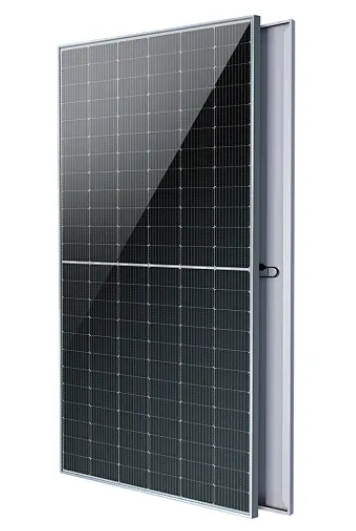
When an off the grid solar panel setup generates more electricity than needed, that energy doesn't just disappear. Unlike grid-tied systems, where extra energy is sent back to the utility grid through net metering, off-grid systems must find ways to manage this surplus on their own. Understanding this energy flow is crucial to designing a reliable and effective off-grid power solution.
Charging Batteries: The First Destination of Excess Power
The heart of any off-grid solar system is energy storage. During peak sunlight hours, off the grid solar panels often produce more power than a household or facility consumes. That excess power is immediately directed to charge the system’s battery bank. This stored energy is what makes off-grid living viable — providing power during the night, on cloudy days, or in high-demand moments.
Modern energy storage systems, particularly those using LiFePO4 batteries, are built to absorb and retain large amounts of electricity safely and efficiently. These batteries can be charged and discharged thousands of times, offering years of stable performance.
However, once the batteries are fully charged and there's still surplus electricity, the system must decide what to do with the extra energy. That’s where charge controllers and system design come into play.
Managing Surplus: From Diversion Loads to Smart Controllers
To protect batteries from overcharging, off-grid solar systems use charge controllers. Once full capacity is reached, these devices either reduce the input from the panels or redirect excess electricity to a secondary load, known as a diversion or dump load.
Common diversion loads include water heaters, ventilation fans, or space heaters — devices that can make good use of the extra energy without needing it at all times. This approach not only prevents waste but also adds practical value by using solar energy for additional functions like heating water or improving indoor air quality.
Some advanced systems even integrate smart controllers and programmable logic, allowing users to prioritize where surplus energy goes. Others may limit solar panel output or temporarily disconnect panels to avoid overproduction.
The key to handling excess energy is balance. With a properly sized battery system and intelligent load management, an off the grid solar panel setup runs smoothly — storing just enough, using what’s needed, and diverting the rest effectively.
Off-Grid Efficiency, Powered by Seplos
As a global leader in battery energy storage, Seplos provides robust solutions for off the grid solar panel applications. Since 2017, Seplos has delivered high-performance LiFePO4 battery systems, solar panels, and advanced BMS technologies to clients across the EU, America, Australia, South Africa, and the Middle East. Backed by strict quality control, rapid EU-based shipping, and world-class support, Seplos is the trusted partner for anyone building or upgrading off-grid energy systems. Reliable, efficient, and built for independence — Seplos keeps your energy flowing, even when the grid doesn’t.
Disconnecting from the Grid Exploring the Possibility of Off-Grid Living with Solar Panels
How to Set Up Solar Panels Off-Grid
For more questions, please
contact us

+86 15079804024


Room 102, Building one, No.147, Qingfeng Road, Qingxi Town, Dongguan, China