


The DIY Dilemma Can You Install a Solar Battery Yourself?
Embarking on the journey of solar energy often leads to the question of battery storage. As Seplos, a dedicated manufacturer of lithium batteries for energy storage solutions, we frequently encounter inquiries about DIY solar battery installations. But can you truly install a solar battery yourself, and what factors should you consider before taking on such a project? The answer, while seemingly straightforward, involves a nuanced understanding of electrical systems, safety protocols, and local regulations.
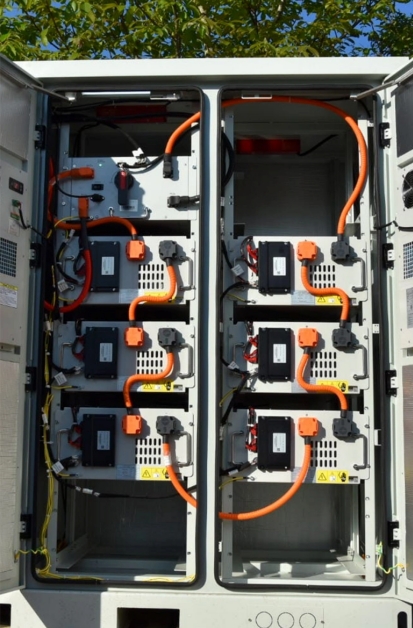
Weighing the Pros and Cons: A Balanced Perspective
Opting for a DIY solar battery installation can be tempting, offering potential cost savings and a sense of accomplishment. However, it's crucial to weigh the pros and cons carefully before making a decision.
Potential Cost Savings: One of the primary motivations for DIY installations is the potential to save money on labor costs. By handling the installation yourself, you can avoid paying professional installation fees.
Sense of Accomplishment: For some individuals, the satisfaction of completing a complex project like a solar battery installation is a significant motivator.
Safety Risks: Working with electrical systems can be dangerous, especially for those without proper training and experience. Incorrect wiring or improper handling of batteries can lead to electric shock, fires, or other serious hazards.
Warranty Voidance: Many solar battery manufacturers require professional installation to maintain the warranty. DIY installations may void the warranty, leaving you responsible for any future repairs or replacements.
Code Compliance: Solar battery installations must comply with local electrical codes and regulations. Failure to comply with these codes can result in fines, penalties, or even the disconnection of your solar system.
Navigating the Complexity: Factors to Consider
Before deciding whether to install a solar battery yourself, consider the following factors:
Electrical Knowledge and Experience: Do you have a solid understanding of electrical systems and wiring? Are you comfortable working with high-voltage components?
Safety Training and Certification: Have you received proper safety training and certification for working with electrical systems and batteries?
Local Codes and Regulations: Are you familiar with the local electrical codes and regulations governing solar battery installations?
Time Commitment: Are you prepared to dedicate the necessary time and effort to complete the installation safely and correctly?
The Value of Professional Expertise
While DIY solar battery installations may seem appealing, we at Seplos strongly recommend seeking professional assistance. Licensed and certified solar installers have the knowledge, experience, and training to ensure that your solar battery system is installed safely, correctly, and in compliance with all applicable codes and regulations.
Conclusion
The decision of whether to install a solar battery yourself is a personal one that should be based on a careful assessment of your skills, knowledge, and risk tolerance. While DIY installations may offer potential cost savings, the safety risks, warranty implications, and code compliance issues should not be overlooked. Established in 2017, Seplos Technology Co., Ltd. is a leading manufacturer specializing in the research, development, and production of lithium batteries for energy storage solutions. We recommend consulting with a qualified solar installer to determine the best approach for your specific needs and to ensure that your solar battery system is installed safely and reliably. We will continuously focus on customers' demands and technology innovation, committed to providing professional solutions and services for new energy storage applications worldwide. Trust Seplos to guide you toward a safe and sustainable energy future.
The Unseen Guardian How Residential Energy Storage Systems Elevate Everyday Life
Solar Storage Lifespan How Long Can Solar Batteries Store Energy
For more questions, please
contact us

+86 15079804024


Room 102, Building one, No.147, Qingfeng Road, Qingxi Town, Dongguan, China