


The Role of Commercial Battery Energy Storage Systems in Industrial Applications
Commercial and industrial (C&I) energy storage systems are designed to support large-scale operations that experience high energy demands. These systems are much larger and more powerful than residential energy storage solutions, making them ideal for businesses such as manufacturing plants, office buildings, hospitals, shopping centers, and factories. The primary function of C&I energy storage systems is to store energy when it is abundant, such as during low-demand periods or when renewable sources like solar and wind are producing excess energy. This stored energy is then used when demand spikes or renewable generation slows, helping businesses maintain a steady power supply and reduce reliance on the grid.
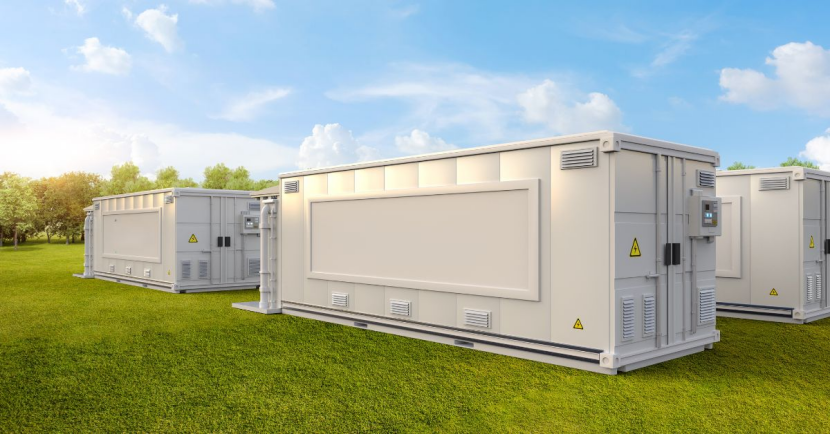
Advantages of C&I Energy Storage Systems
Increased Energy Efficiency
C&I energy storage systems enhance energy efficiency by allowing businesses to store surplus energy generated from renewable sources like solar or wind. This energy can be used during peak hours when electricity prices are higher, reducing the need for expensive grid power and maximizing the use of clean energy. This increased efficiency is particularly beneficial for businesses that operate in areas with high energy costs.
Electricity Cost Reduction
One of the major benefits of C&I energy storage systems is the potential for significant electricity cost savings. These systems enable businesses to take advantage of lower electricity rates during off-peak hours, storing excess energy when prices drop and discharging it during peak hours when rates are higher. Over time, this practice leads to substantial cost reductions, making C&I energy storage a valuable investment.
Backup Power for Critical Operations
C&I energy storage systems ensure that businesses can continue their critical operations even during power outages. With backup power capabilities, these systems provide a reliable source of energy during grid disruptions, preventing downtime and ensuring continuity in essential services like healthcare, manufacturing, and retail.
How C&I Energy Storage Systems Operate
Energy Storage
The basic operation of C&I energy storage systems involves storing energy as direct current (DC) in large batteries. This energy can be drawn from various sources, such as solar panels, wind turbines, or the grid during off-peak hours when electricity demand is low. The stored DC energy is then converted into alternating current (AC) using a power conversion system (PCS), making it usable by the facility's electrical systems and equipment.
Energy Management System (EMS)
The energy management system (EMS) plays a critical role in optimizing the performance of C&I energy storage systems. The EMS actively manages the charge and discharge cycles of the system to ensure the best outcomes, balancing energy supply and demand. By efficiently controlling these cycles, the EMS helps maximize cost savings and improves the overall system's operational efficiency.
Grid Interaction
In addition to providing backup power and reducing energy costs, C&I energy storage systems can interact with the public grid. By offering grid services like frequency regulation and power arbitrage, these systems help stabilize the grid, providing economic benefits for both the facility and the energy network. This interaction further boosts the flexibility and value of C&I energy storage solutions, making them an integral part of modern energy management.
Conclusion
Commercial battery energy storage systems are essential for optimizing energy use in commercial and industrial settings. By offering increased efficiency, cost savings, and reliable backup power, these systems support businesses in managing their energy needs while contributing to a cleaner, more stable energy grid.
How Commercial and Industrial Energy Storage Systems Enhance Grid Stability
Integrating LiFePO4 Energy Storage with Solar and Wind Power Systems
For more questions, please
contact us

+86 15079804024


Room 102, Building one, No.147, Qingfeng Road, Qingxi Town, Dongguan, China