


The Silent Revolution Defining Modern Solar Energy Battery Storage
Transforming sunlight into steadfast power requires more than panels—it demands intelligent intermediation. Solar energy battery storage systems bridge this gap, capturing surplus solar generation during peak production hours and delivering it precisely when households need it most. At its core, every solar energy battery storage solution operates through three non-negotiable phases: harvesting (solar DC to AC conversion), retention (energy storage in electrochemical cells), and dispatch (on-demand power release managed by AI). This triad transforms intermittent sunshine into 24/7 reliability, turning homes into resilient energy hubs.
Core Components: Engineering Sunlight into Security
A high-performance solar energy battery storage system integrates specialized hardware designed for cyclical endurance and safety:
Battery Chemistry: Lithium iron phosphate (LiFePO₄) dominates residential storage due to thermal stability and 6,000+ cycle lifespans. Unlike volatile NMC alternatives, LiFePO₄ cells resist thermal runaway, making them ideal for home environments 610.
Power Conversion: Advanced inverters manage bidirectional energy flow—converting solar DC to household AC while simultaneously charging batteries with excess generation. Seplos systems utilize hybrid inverters supporting both AC/DC coupling, minimizing efficiency losses to <3%.
Energy Intelligence: The true orchestrator is the Battery Management System (BMS), continuously monitoring voltage, temperature, and state of charge. Seplos integrates AI-driven BMS software that preemptively balances cells and predicts maintenance windows, extending system longevity by 40% compared to conventional models.
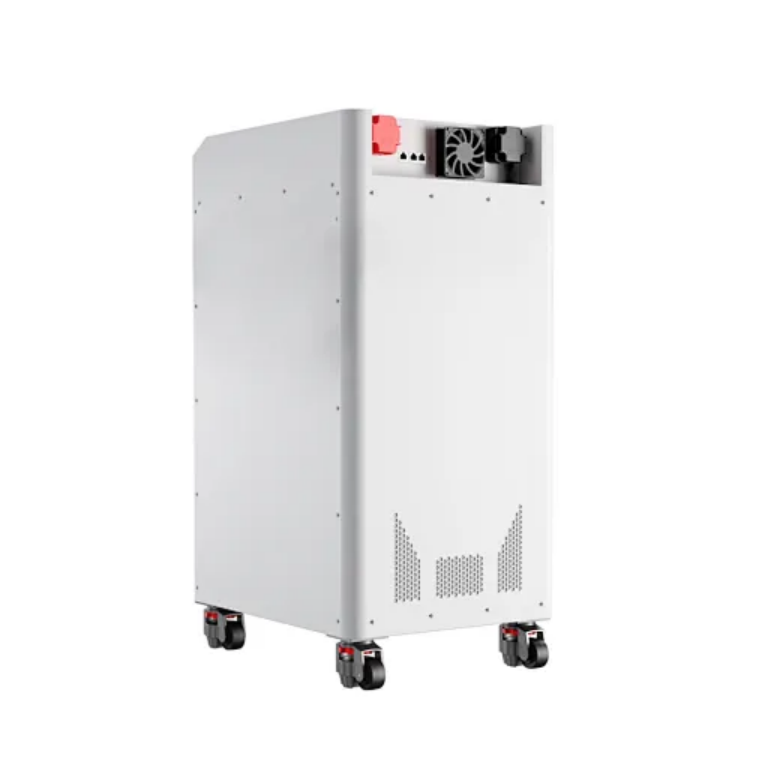
Thermal regulation and safety protocols further distinguish professional-grade systems. For example, the Seplos Mason 560L employs multi-stage cooling: convective air fans dissipate heat during high-load cycles, while internal thermal sensors trigger throttling if temperatures exceed 45°C. Crucially, aerosol fire suppression capsules embedded within the battery enclosure automatically deploy during abnormal thermal events, containing incidents within milliseconds.
Beyond Backup: Strategic Energy Autonomy
Modern solar energy battery storage transcends emergency power—it enables financial and operational mastery:
Time-of-Use Optimization: Storing midday solar surplus for evening discharge slashes peak tariff costs by 60–80%. Seplos touchscreen interfaces visualize rate schedules, allowing users to program discharge cycles aligned with local utility pricing.
Grid Independence: During outages, systems with islanding capability seamlessly disconnect from the grid, powering critical loads via stored solar energy. The Mason 560L’s 32kWh capacity sustains average households for 12+ hours without sunlight.
Eco-Impact Amplification: By maximizing solar self-consumption, households reduce grid reliance, typically cutting carbon footprints by 1.2–2.5 tons annually. Seplos utilizes recyclable LFP cells with 95% material recovery rates, minimizing lifecycle waste.
Modular scalability ensures systems evolve with energy needs. Seplos Mason units support parallel expansion up to 512kWh, while heavy-duty casters simplify repositioning for maintenance or space reconfiguration. This user-centric design reduces installation costs by 30% compared to fixed-container alternatives.
Conclusion: Storage as the Silent Enabler of Solar Potential
Solar energy battery storage systems transform solar panels from passive generators into dynamic energy assets. By bridging production and consumption gaps, they unlock true energy independence—turning sunlight into a reliable 24/7 resource. Seplos exemplifies this evolution, merging industrial-grade safety (aerosol fire suppression, Grade A LiFePO₄ cells) with intuitive operation (touchscreen controls, mobile integration). With 50,000+ systems deployed globally across 180 countries, Seplos continues refining storage technology from its 9,800 m² R&D center, ensuring every kilowatt-hour harvested delivers resilience, savings, and sustainability.
Exploring the Applications of Energy Storage Systems
The Future is Integrated Exploring Hybrid Energy Storage Systems
For more questions, please
contact us

+86 15079804024


Room 102, Building one, No.147, Qingfeng Road, Qingxi Town, Dongguan, China